
Colour Palettes That Honour Both Styles
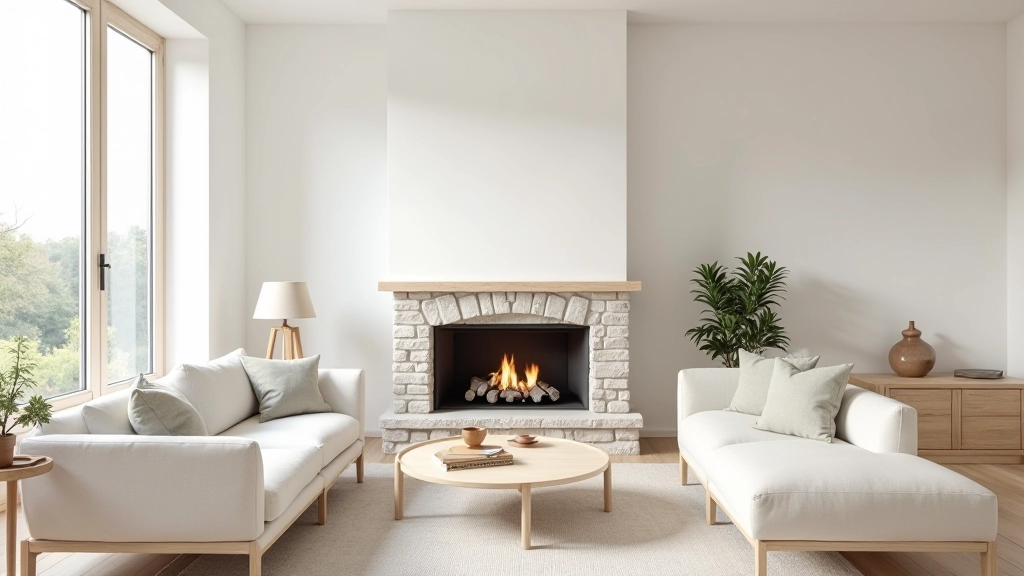
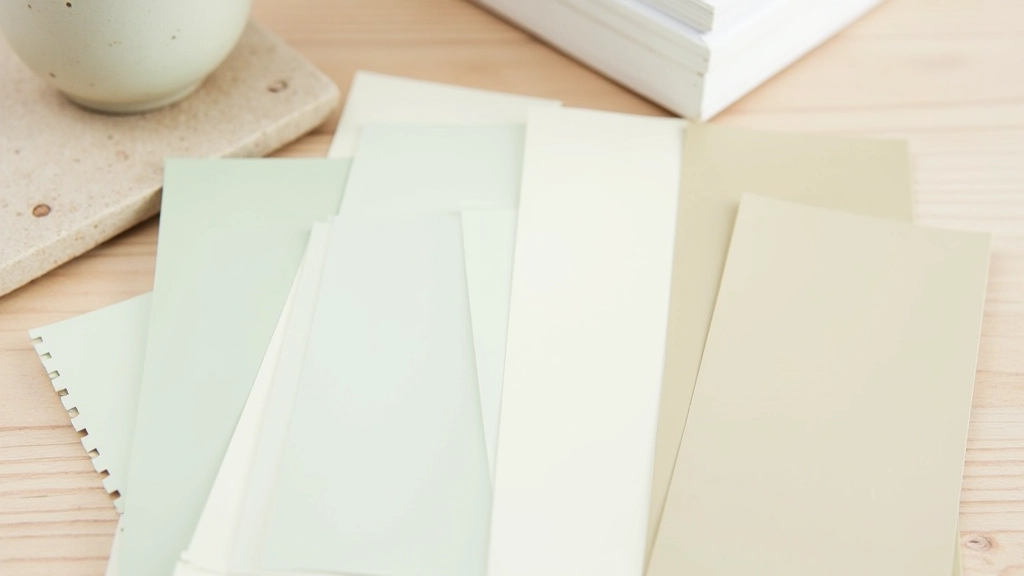
Scandinavian design loves neutrals—whites, soft greys, pale blues. Irish cottages traditionally feature deeper, earthier tones. The blend? Start with a Scandinavian base of soft whites and warm greys, then layer in accent colours inspired by the Irish landscape. Think muted sage green (from stone walls), warm terracotta (from old roof tiles), or soft cream (from lime-washed cottages).
The trick is restraint. You're not painting every wall in heritage colours. Instead, choose one accent wall or use traditional colours in textiles, artwork, or a single feature piece. This keeps the minimalist spirit intact while acknowledging the home's character. A single wall painted in a warm, muted green creates impact without overwhelming the space.
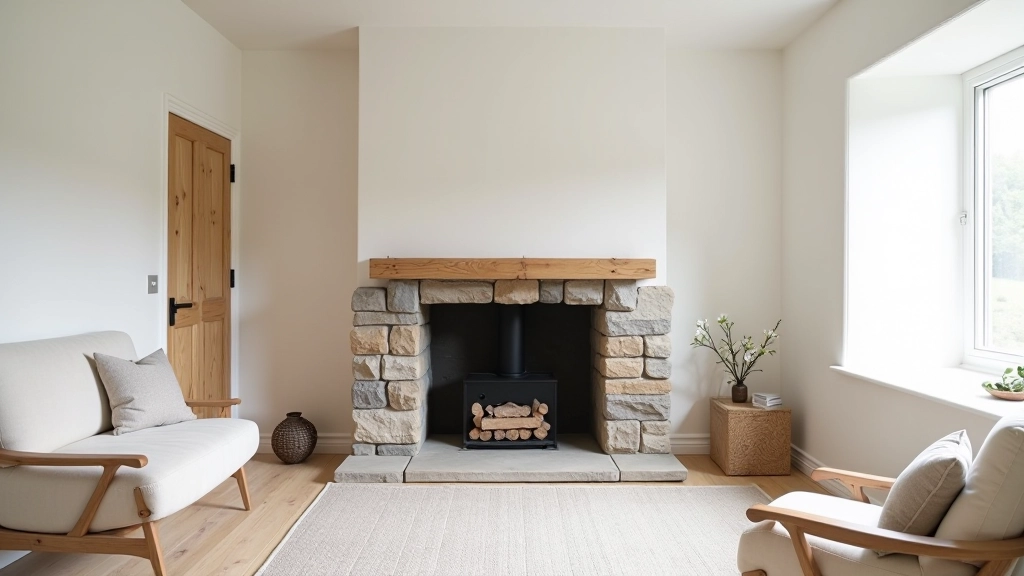
Pro tip: If you're unsure about colour, start with your existing features. Stone fireplaces, timber beams, or original woodwork already anchor the palette. Build around what's already there rather than against it.
Furniture and Layout: Less is More, But Make it Comfortable
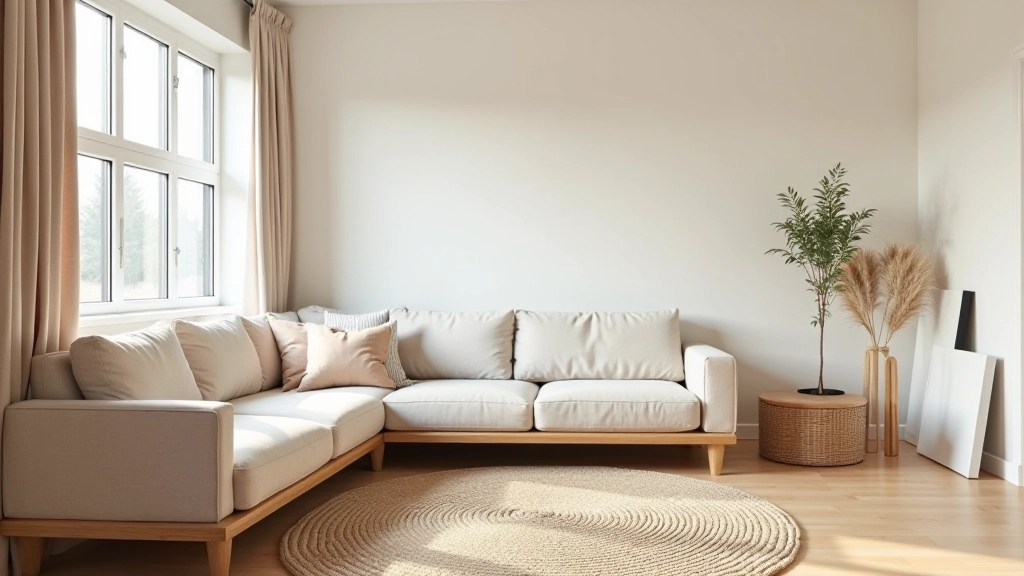
Scandinavian furniture is about clean lines and functionality. Irish comfort is about welcoming, lived-in spaces where you actually want to sit down. You can have both. Choose simple wooden furniture in light or medium tones—this respects Scandinavian principles while using materials that feel at home in a cottage. A light oak dining table or natural pine shelving works brilliantly.
Where you add the cottage warmth is in textiles and layering. A chunky knit throw in cream or soft grey, linen cushions in muted tones, a hand-woven rug—these introduce texture and comfort without cluttering the space. They're also practical for Irish homes where it's genuinely cold and damp much of the year. That comfort isn't indulgence; it's good design responding to your climate.
The layout itself should feel spacious but inviting. Don't push furniture to walls in the name of minimalism. Instead, create intimate conversation areas with a sofa and two chairs facing each other. It's still minimal in terms of quantity, but it acknowledges that Irish homes are gathering places.
Working with Existing Features: Stone, Timber, and Character
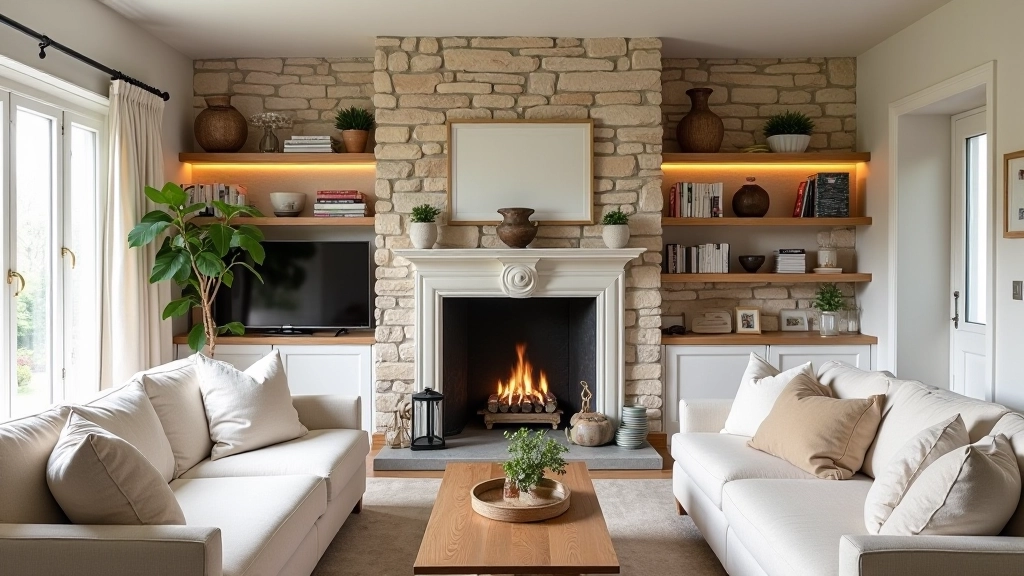
Most Irish cottages come with architectural features you'll want to preserve or celebrate—original stone walls, timber beams, fireplaces, or sash windows. These aren't obstacles to minimalist design; they're anchors for it. The Scandinavian approach actually pairs beautifully with these elements because it creates a quiet backdrop that lets them shine.
If you've got exposed stone, leave it. Don't cover it with drywall or plaster over it. Clean it carefully, maybe repoint mortar if needed, and then build your minimal aesthetic around it. A stone feature wall with whitewashed walls elsewhere creates visual interest without busy decoration. The stone itself becomes the art.
Timber beams are similar. If they're original, they deserve visibility. Paint walls around them in soft neutrals, keep the ceiling clear of clutter, and let the geometry of the beams create the visual structure. You're not fighting your home's bones; you're respecting them.
Assess your features: Walk through and identify what's original and worth keeping. Stone, timber, fireplaces, window frames—these become your design foundation.
Clean and repair: Restore these elements properly. Gentle cleaning, careful repointing, fixing loose timber—this costs less than covering them up and honours the craftsmanship.
Create neutral surroundings: Paint walls and ceilings in soft, consistent colours. This lets the features be the focal point without competing decoration.
Practical Materials for Irish Climate

Ireland's damp climate means your material choices matter. Scandinavian design actually excels here because it prioritizes durability and natural materials. Linen and wool aren't just aesthetically right; they're genuinely practical. Wool resists moisture, linen breathes, and both age beautifully without looking worn out.
For flooring, timber and stone work brilliantly. A light oak or ash floor feels Scandinavian while being appropriately durable for a cottage. Slate or flagstones honour the traditional aesthetic while being virtually indestructible. Avoid carpet in kitchens and bathrooms—it traps moisture. In living areas, a quality rug (wool, naturally) adds warmth without the problems.
Windows deserve attention too. If you're replacing them, choose timber frames over plastic. Yes, they need more maintenance, but they look right in a cottage and last longer. Ensure proper insulation though—Irish homes can be draughty, and this is where your BER energy rating improves. Double or triple glazing in period-appropriate frames is the sweet spot between heritage and efficiency.
Creating Your Blended Space
Blending Scandinavian minimalism with Irish cottage character isn't about compromise. It's about understanding what each style offers and letting them enhance each other. You get the clarity and calm of Scandinavian design paired with the comfort and authenticity of traditional Irish homes. The result feels right in an Irish setting because it respects the climate, the materials, and the history of these spaces.
Start with what you've got. Work with your existing features rather than against them. Choose natural materials that last. Keep your colour palette restrained but warm. Layer in comfort through textiles without visual clutter. Your home will feel both timeless and contemporary—a place where you actually want to spend time, not just pass through.
Disclaimer
This article is informational and intended to help you understand design principles for blending Scandinavian minimalism with traditional Irish cottage style. Design preferences are personal, and results vary based on individual homes, budgets, and circumstances. When undertaking renovation work, especially those affecting structural elements, insulation, or energy efficiency (BER ratings), consult with qualified professionals, architects, or engineers. Building regulations and planning permissions in Ireland have specific requirements that must be met. The design approaches described here are suggestions and starting points for your own design journey—not prescriptive instructions. Always verify local regulations and professional requirements before beginning work.