
Understanding Irish Light
Ireland's light is genuinely different. It's softer, cooler, and more diffused than what you'd experience in southern Europe or even England. This matters hugely when you're choosing paint colours — what looks brilliant in a showroom in Madrid might feel cold and institutional in your Dublin sitting room.
The issue isn't just the angle of the sun. It's that Irish light has a blue undertone, especially during winter months when the sun barely climbs above the horizon. You'll get roughly 7-8 hours of daylight in December. That softer quality means you need to think differently about how colours will actually appear on your walls.
Whites that work elsewhere can look grey and dingy here. Warm creams and soft greens tend to perform better because they work WITH the natural light rather than fighting against it. It's not about picking "warmer" colours in a blanket way — it's about understanding undertones and how they interact with the specific light coming through your windows.
Colour Choices That Actually Work
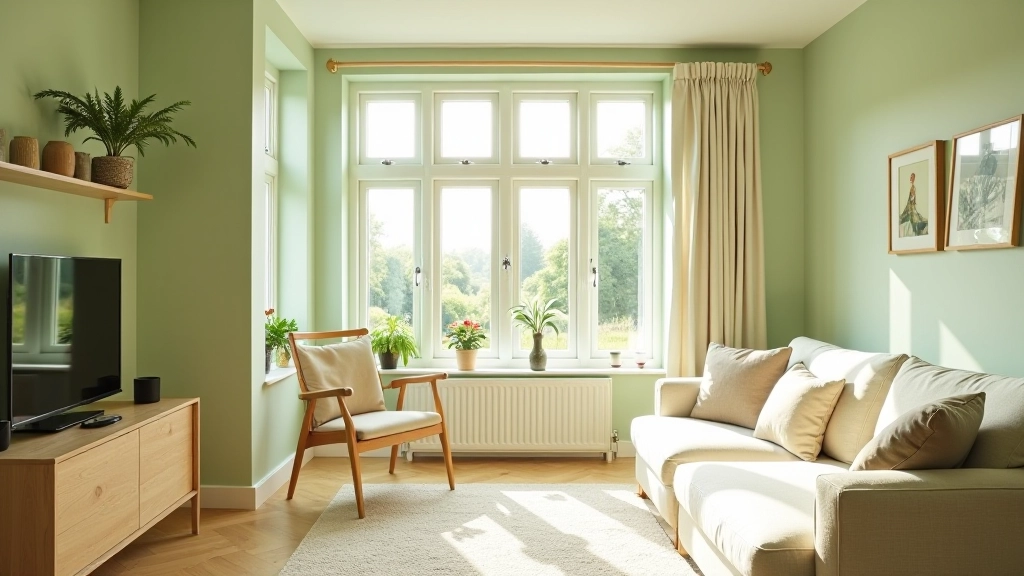
Start with the basics. Soft greens — particularly those with grey or warm undertones — are almost foolproof in Irish homes. Think sage, celadon, or muted eucalyptus rather than bright forest greens. These colours have been used in Irish cottages for generations because they genuinely suit the light.
Warm whites and creams work brilliantly too, but you've got to choose them carefully. Avoid pure white (#ffffff) or anything with blue undertones. Look instead for creams with yellow or warm grey undertones — names like "Farrow & Ball Old White" or similar heritage paints give you a better starting point than generic "brilliant white" from the big chains.
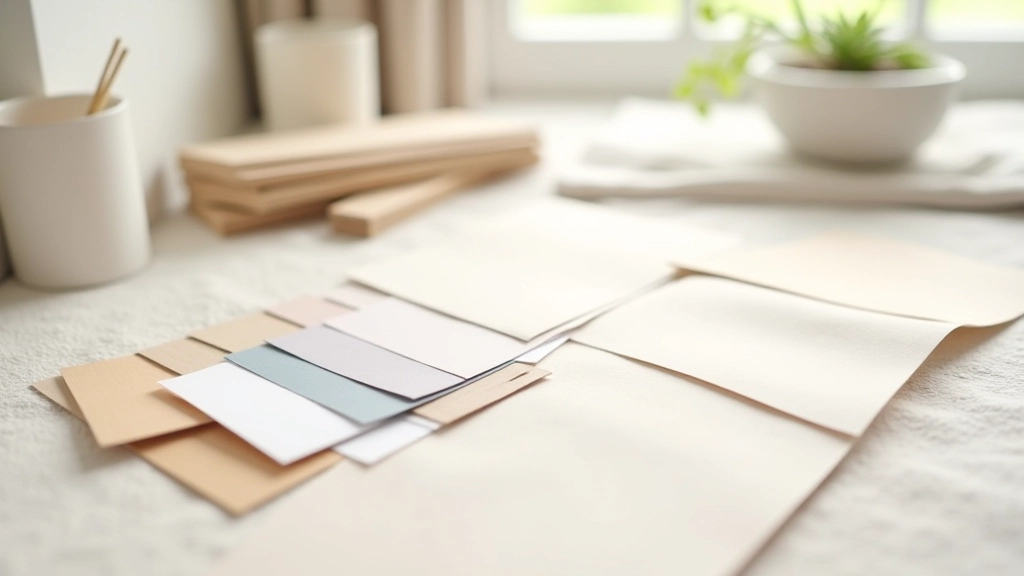
Soft greys are having a moment, and for good reason. They're not cold or institutional if you pick ones with warm undertones. The key is testing samples on your actual walls over several days, watching how they look at different times of day. You need to see them in morning light, afternoon light, and evening light. That's non-negotiable.
Key Testing Rule
Don't buy a tin of paint based on a swatch. Paint large test patches (at least 1 metre square) on your walls and observe them over 3-4 days. Watch how the colour shifts throughout the day and in different lighting conditions. This simple step saves you from costly mistakes.
Materials for Humidity & Durability
Ireland's humidity is relentless. We're surrounded by water, and that moisture works its way into our homes regardless of how well-sealed they are. This means your choice of paint finish matters as much as the colour itself. Flat matte paints might look gorgeous, but they'll absorb moisture and can develop mould in bathrooms and kitchens.
Use satin or eggshell finishes instead. They're more moisture-resistant, easier to clean, and they'll stand up to the damp without degrading. In high-moisture areas like bathrooms, kitchens, and utility rooms, consider specialist moisture-resistant paints or even proper tile work instead of paint. Don't just slap paint on damp walls and hope for the best.
Limewash is worth considering for period cottages. It breathes, allows moisture to escape, and it's been used in Irish homes for centuries for a reason. Modern limewash products are more durable than traditional versions, and they create that authentic cottage aesthetic that works beautifully with Scandinavian minimalism when you keep everything else clean-lined and uncluttered.
Blending Modern Minimalism with Cottage Warmth
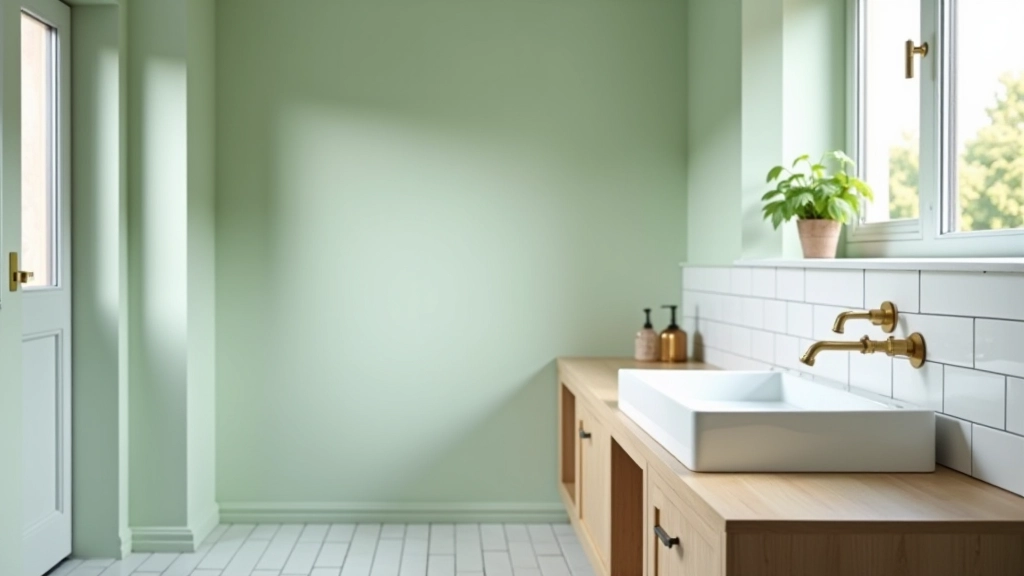
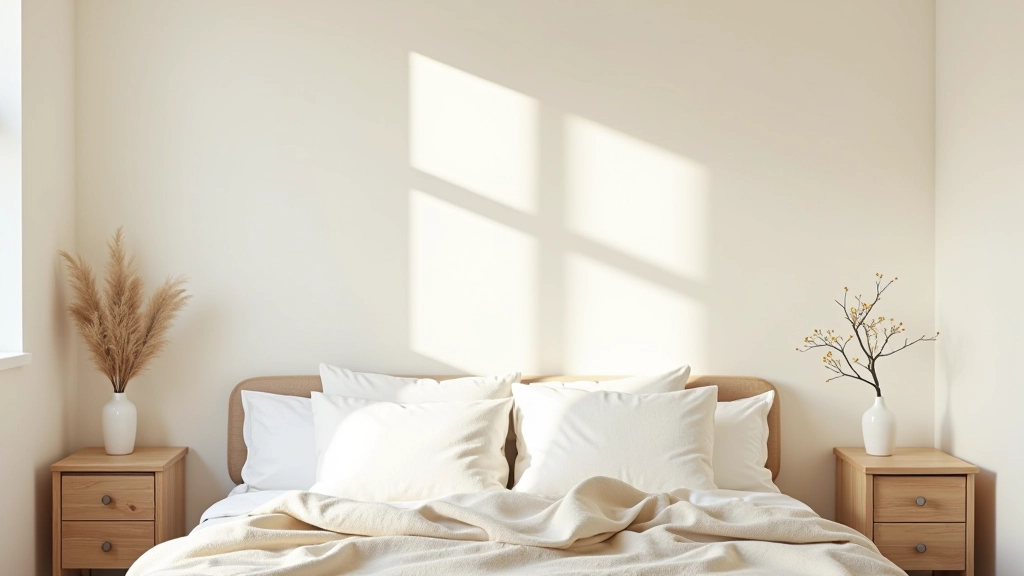
The real magic happens when you combine Scandinavian design principles with Irish cottage character. This isn't about stripping away all warmth or pretending your home is a minimalist showroom. It's about intentional simplicity paired with materials and colours that feel authentic to place.
Start with soft, warm paint colours as your base — sage green, warm cream, or soft grey. Keep walls uncluttered. Then layer in natural materials: timber (whether original beams or new simple shelving), stone where it exists, linen, wool, and natural fibres. These materials create warmth without visual noise. Your cottage doesn't need floral wallpaper or dark brown paint to feel characterful.
Lighting matters enormously. Soft, warm lighting (around 2700K colour temperature) complements both minimalist spaces and period cottages. Avoid harsh overhead lights. Simple wooden shelving, a few quality pieces of furniture, and thoughtful storage create that calm, intentional feel that's distinctly Scandinavian while honouring your home's Irish heritage.
Getting Started with Your Own Colours
The best colour for your home is one you'll love looking at every single day, in the actual light that comes through your windows. There's no universal "best Irish colour" — it depends on your room's orientation, your windows, what you're trying to achieve, and what makes you happy.
Get some paint samples. Test them. Live with them for a few days. Pay attention to how they make you feel in morning light and evening light. Choose materials that respect Ireland's climate — satin finishes in damp areas, limewash for period properties, proper ventilation behind any paint. And don't overthink it. A warm white, good light, and quality materials will create a space that feels both authentically Irish and beautifully minimal.
Disclaimer
This article provides educational information about paint selection and materials for Irish homes. Colour choices are subjective and depend on individual preferences, room conditions, and natural light. Always test paint samples in your actual space before committing to full coverage. For persistent moisture problems, damp issues, or structural concerns, consult qualified surveyors or building professionals. Product recommendations are for informational purposes only and based on general suitability to Irish climate conditions. Results will vary based on individual circumstances, existing finishes, and application methods.