
Planning Your Kitchen Renovation: A Room-by-Room Budget Guide
Learn how to allocate your renovation budget across cabinets, countertops, flooring, and appliances. Includes cost-saving tips for Irish homeowners.
Understanding Your Kitchen Budget
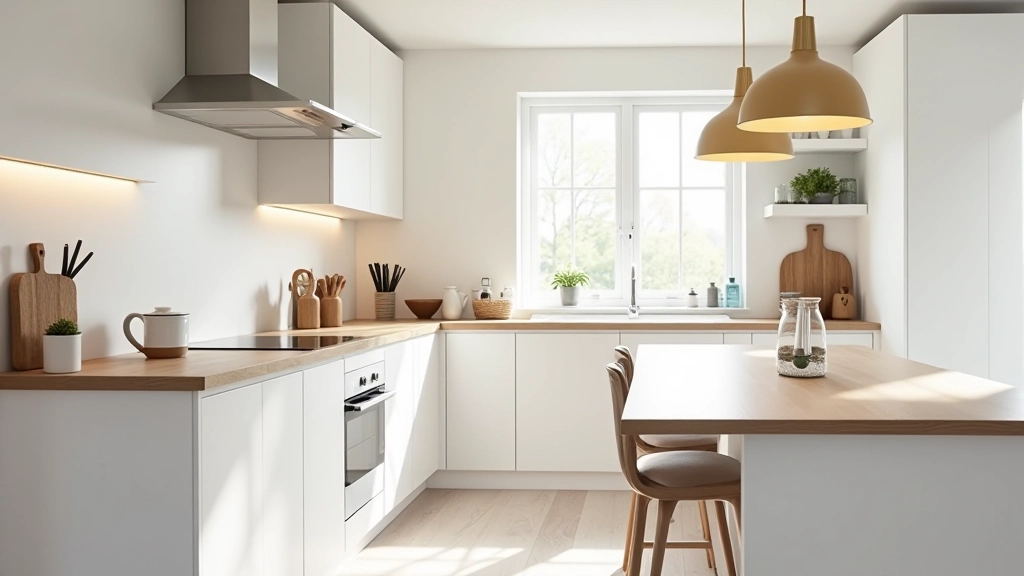
Kitchen renovations can feel overwhelming when you're staring at a blank budget spreadsheet. There's cabinets, countertops, flooring, appliances, lighting, labour — the list goes on. But here's the thing: you don't need to guess where your money should go. We've broken down exactly how to allocate your budget across each major element so you're not scrambling halfway through or making expensive compromises.
Whether you're working with €8,000 or €25,000, understanding the cost breakdown helps you prioritize what matters most. Some homeowners want statement countertops. Others prioritize quality appliances. Your budget tells its own story — and we're here to help you tell it right.
Typical Budget Split
- Cabinetry: 30-40%
- Countertops: 15-20%
- Appliances: 15-25%
- Flooring: 10-15%
- Labour & Miscellaneous: 15-20%
Cabinetry: The Foundation of Your Kitchen
Cabinets consume the largest chunk of your renovation budget — typically 30-40% — and for good reason. They're the bones of your kitchen. Quality cabinetry lasts 20+ years if you choose well. You've got three main options: bespoke (fully custom), semi-custom, or stock cabinets.
Bespoke cabinets run €4,000-€8,000+ but fit your space perfectly. Semi-custom? That's €2,500-€5,000 and offers a nice middle ground — you get quality construction with some customization. Stock cabinets from builders' merchants are the budget option at €1,500-€3,000, but they're limited in finishes and durability isn't always stellar.
Here's a pro tip: you don't need to replace everything. Many homeowners refresh existing cabinets with new doors, hardware, and paint. That costs €800-€1,500 and transforms your kitchen without the full replacement price tag.
Countertops: Where Durability Meets Style
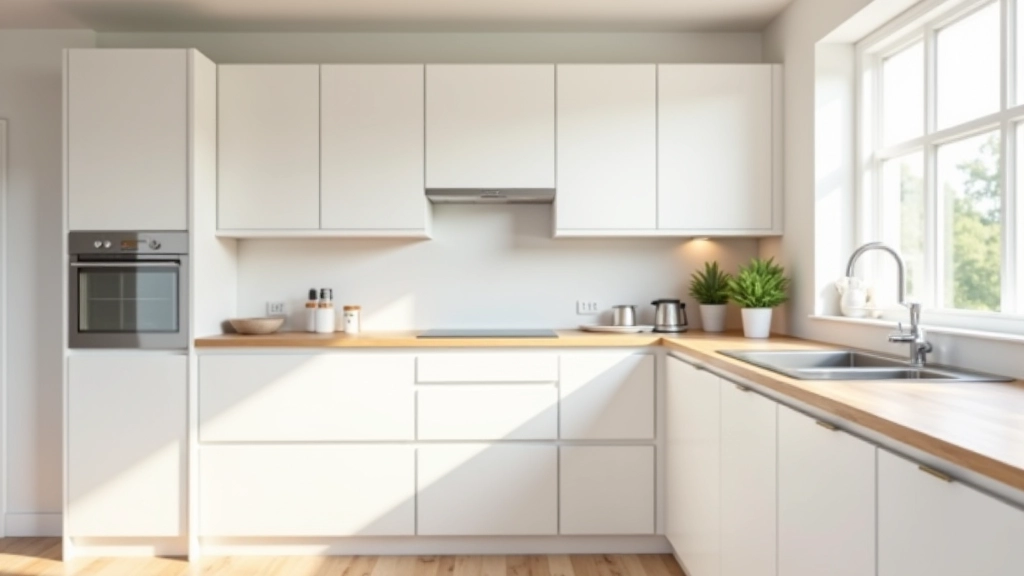
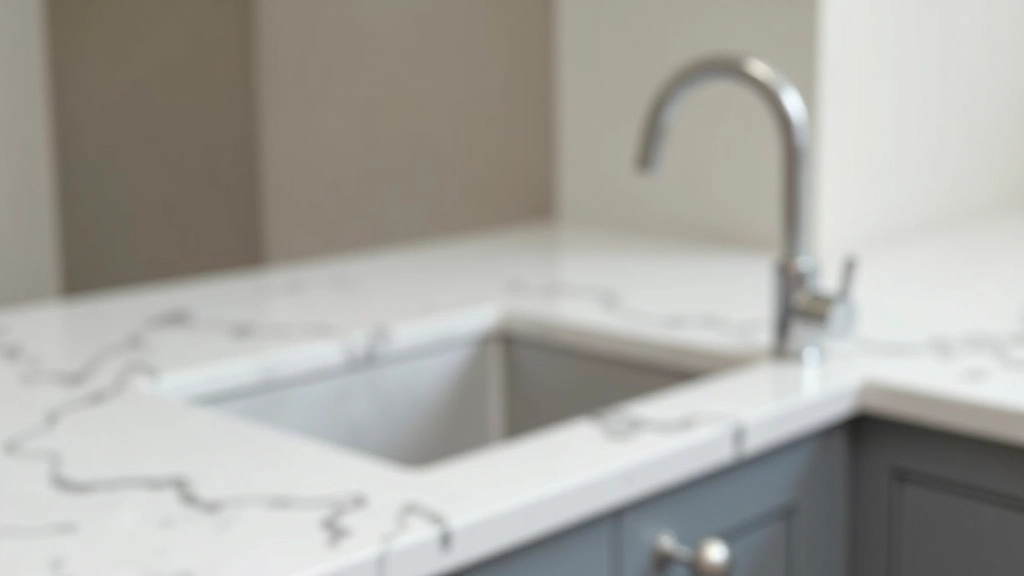
Countertops get hammered daily — chopping, spilling, heat from pots, water marks. You're looking at 15-20% of your budget here, which means €1,200-€5,000 depending on material choice. Granite and quartz are premium options at €1,500-€3,000 installed. They're durable, look beautiful, and won't stain easily. Laminate is the budget choice at €400-€800 — it works fine but won't last as long or look as refined.
In Irish kitchens, we see a lot of solid wood countertops gaining popularity. They're warm, age beautifully, and cost €1,000-€2,000 installed. The catch? They need regular oiling and aren't heatproof, so you'll want trivets nearby.
Don't forget the splashback. A simple tiled splashback (€200-€600) protects walls and adds personality. Glass or stainless steel runs slightly higher but looks contemporary and cleans easily.
Appliances: Smart Spending Strategy
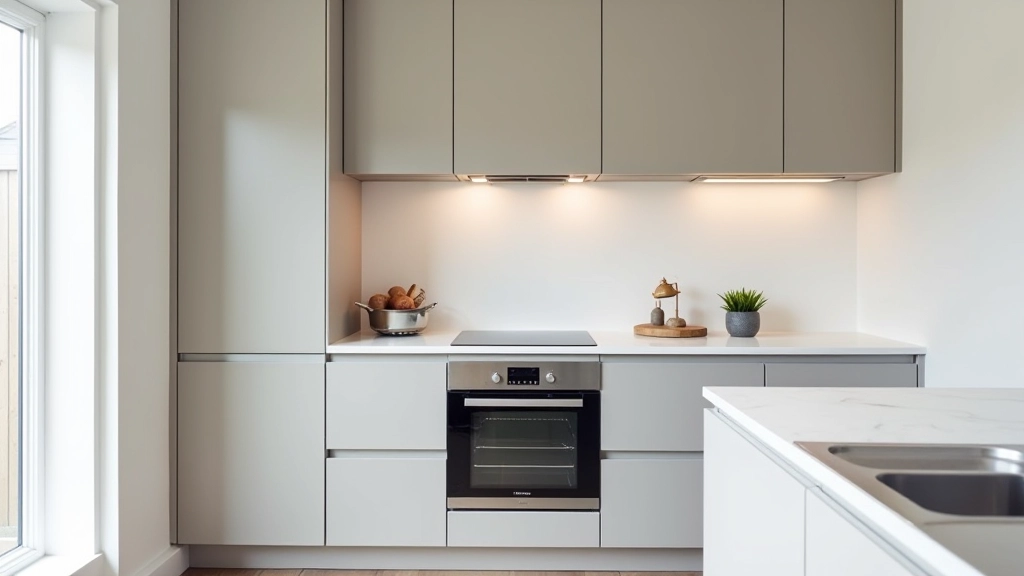
Appliances represent 15-25% of your budget — sometimes more if you go premium. Here's where many people make mistakes. They'll save on cabinets but splurge on a top-of-the-line oven nobody really uses. Think about how you actually cook.
A quality oven costs €800-€2,000. A dishwasher runs €400-€1,200. Cooktop, fridge, microwave — each has its own range. You can get decent branded appliances for €4,000-€6,000 total, or premium integrated sets for €8,000-€12,000+. The middle ground? Mid-range brands like Zanussi or Beko offer solid performance at €5,000-€7,000 for a full set.
Energy efficiency matters in Ireland's climate. Look for A+ rated appliances — they cost slightly more upfront but save on bills long-term. Plus, they improve your home's BER rating, which matters if you ever sell.
Flooring: Practical Choices for Irish Kitchens
Kitchen flooring takes a beating. You're looking at 10-15% of your budget — roughly €800-€3,000 depending on material and room size. Ceramic or porcelain tile is the practical choice at €600-€1,500 installed. It's waterproof, easy to clean, and lasts decades. Pattern options are endless, so you can get creative without breaking the bank.
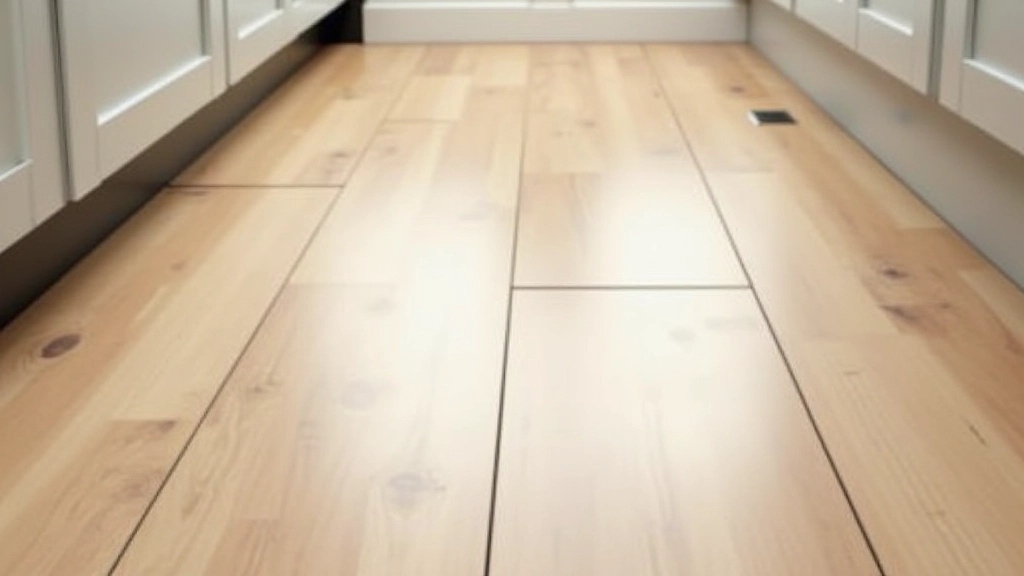
Luxury vinyl plank (LVP) is gaining traction and costs €800-€1,800 installed. It mimics wood beautifully, feels warm underfoot, and resists moisture well — crucial in Irish kitchens where humidity happens. Real hardwood isn't recommended for kitchens because of water exposure, though engineered wood works if sealed properly (€1,200-€2,500 installed).
Budget-conscious? Polished concrete is trendy and costs €400-€800. It's durable, contemporary, and works with almost any design style. Just make sure it's sealed properly against staining.
Labour & Hidden Costs
Here's what surprises people: labour and miscellaneous costs (15-20% of budget) are just as important as materials. Installing cabinets properly takes skill. Electrical work for new outlets and lighting requires a qualified electrician. Plumbing for a relocated sink or new appliances needs proper connections.
Electrical Work
New circuits, outlets, lighting installation. Budget €800-€1,500 for a typical kitchen. It's not optional — get a qualified electrician.
Plumbing
Sink relocation, appliance connections, waste management. Costs €600-€1,200. If you're moving major pipes, budget higher.
Installation Labour
Cabinet fitting, countertop installation, flooring. Budget €2,000-€4,000 depending on complexity and your location.
Contingency Buffer
Always reserve 10-15% extra for unexpected issues — damp walls, outdated wiring, structural surprises.
Many Irish homeowners work with local tradespeople, which is smart. Get three quotes. Don't automatically pick the cheapest — check references and timelines. A reliable plumber might cost €100/hour, but they'll finish on schedule and their work lasts.
Real Budget Examples
Let's walk through three realistic kitchen renovation budgets. These are actual breakdowns based on what Irish homeowners typically spend:
The Practical Kitchen (€10,000)
- Stock cabinets + refacing: €2,500
- Laminate countertops + splashback: €800
- Mid-range appliances: €3,000
- Ceramic tile flooring: €1,200
- Electrical, plumbing, labour: €2,000
- Contingency: €500
The Comfortable Kitchen (€17,000)
- Semi-custom cabinets: €4,500
- Quartz countertops + tile splash: €2,000
- Quality branded appliances: €5,000
- Luxury vinyl flooring: €1,500
- Electrical, plumbing, labour: €3,000
- Contingency: €1,000
The Premium Kitchen (€28,000)
- Bespoke cabinets + islands: €9,000
- Natural stone countertops: €4,000
- Premium integrated appliances: €7,000
- Engineered wood flooring: €2,500
- Electrical, plumbing, bespoke labour: €4,500
- Contingency: €2,000
Cost-Saving Tips for Irish Homeowners
You don't need to cut corners everywhere. Smart choices let you keep quality where it matters and save elsewhere:
1
Refurbish Don't Replace
Existing cabinets with new doors and hardware save 60-70% compared to replacement. If your cabinets are structurally sound, this works brilliantly.
2
Prioritize What You Use
Spend on appliances you actually use daily. Skip the fancy wine fridge if you don't entertain. Invest in a quality cooktop and oven instead.
3
Mix Material Grades
Premium countertops with mid-range cabinets, or vice versa. You don't need everything high-end. Strategic choices look cohesive and save money.
4
DIY Where Safe
Painting, simple tile work, or hardware installation you can handle. Electrical and plumbing? No. Hire professionals for these. Mistakes are expensive.
5
Get Quotes in Writing
Three quotes minimum from local tradespeople. Compare line-by-line. Hidden costs appear when you read the fine print. Ask about timelines too.
6
Plan for Energy Efficiency
A+ rated appliances and proper insulation cost more initially but improve your BER rating. Over 20 years, energy savings offset the upfront cost.
Planning Your Kitchen Budget: The Takeaway
Kitchen renovations don't have to be mysterious or scary. When you break the budget into clear categories — cabinets, countertops, appliances, flooring, labour — suddenly it all makes sense. You're not staring at a scary number. You're making informed choices about where your money goes and why.
The real secret? There's no one "right" budget. A €10,000 kitchen can be gorgeous and functional. So can a €25,000 kitchen. The difference is where you choose to invest. Some people want statement countertops. Others prioritize appliances. Your lifestyle, cooking habits, and what brings you joy in a kitchen — that's what should guide your spending.
Start with your total budget. Work backwards through the percentages. Get three quotes from local tradespeople. Include a contingency buffer because something always costs more than expected. Then? Start your renovation with confidence, knowing exactly what you're spending and why. That's how you end up with a kitchen you actually love living with.
Important Disclaimer
This article provides general guidance on kitchen renovation budgeting for Irish homeowners. Budget figures and percentages are based on typical market conditions as of April 2026 and vary significantly by region, supplier, and specific project requirements. Actual costs depend on many factors including location, existing kitchen condition, material choices, labour availability, and unforeseen structural issues. Always obtain detailed written quotes from qualified local tradespeople before beginning any renovation project. For electrical and plumbing work, only use qualified professionals. When renovating, always ensure compliance with relevant building regulations and obtain necessary permits. This content is educational and informational — not a substitute for professional advice from architects, builders, or quantity surveyors.
Related Articles