
Why Bathroom Renovations Matter for Your Home
Bathroom renovations aren't just about aesthetics — they're one of the smartest investments you can make in your Irish home. Beyond creating a space you'll love using every day, a well-planned bathroom renovation can significantly improve your BER (Building Energy Rating) score, which directly affects your home's market value and running costs.
The thing is, bathrooms use a lot of energy and water. Old fixtures, poor ventilation, and inadequate insulation add up quickly. When you're renovating anyway, you might as well address these issues properly. You'll get better humidity control, lower water heating bills, and that satisfying feeling of having done something genuinely sustainable.
Key Benefit
Modern bathroom fixtures can reduce water heating energy by 20-30% compared to older systems.
Energy Rating Impact
Improved ventilation and insulation directly contribute to your BER score improvement.
Local Expertise
Irish tradespeople understand our climate's specific demands on bathroom spaces.
Planning Your Bathroom Renovation
Start by honestly assessing what needs changing. Are pipes leaking? Is the extractor fan struggling with condensation? Does water take forever to heat up? These aren't cosmetic complaints — they're signs your bathroom's systems are working harder than they should be.
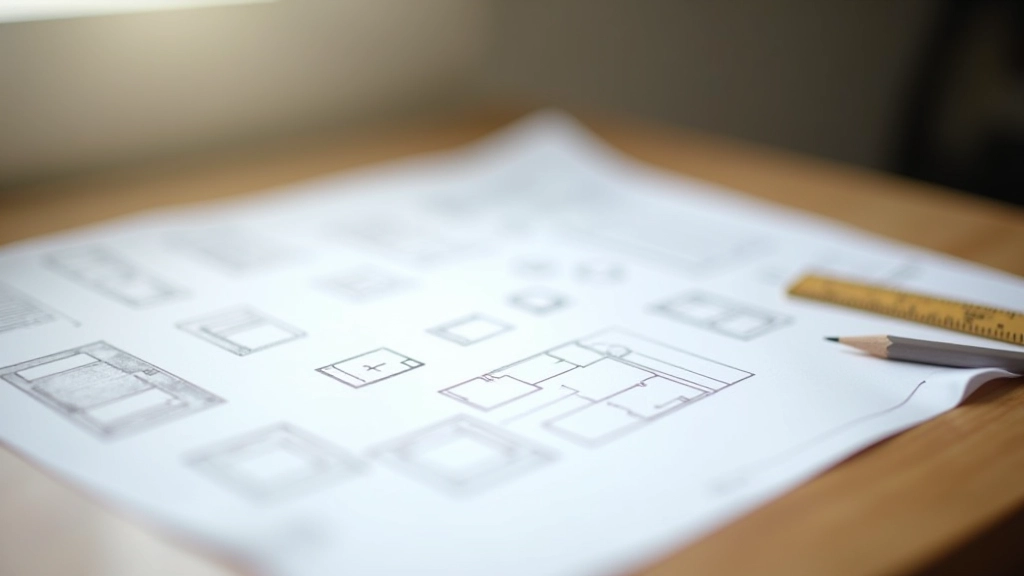
Before calling in trades, sketch out your priorities. Space is precious in most Irish bathrooms, so you'll want to maximize function without cramping the layout. Think about the flow: how people move through the space, where towels and toiletries live, whether there's adequate storage without clutter.
Then tackle the practical stuff. Check your current water pressure — this affects which showerheads you can realistically use. Look at your boiler capacity. Consider ventilation routes for a new extractor fan. These technical details seem boring but they'll save you headaches later.
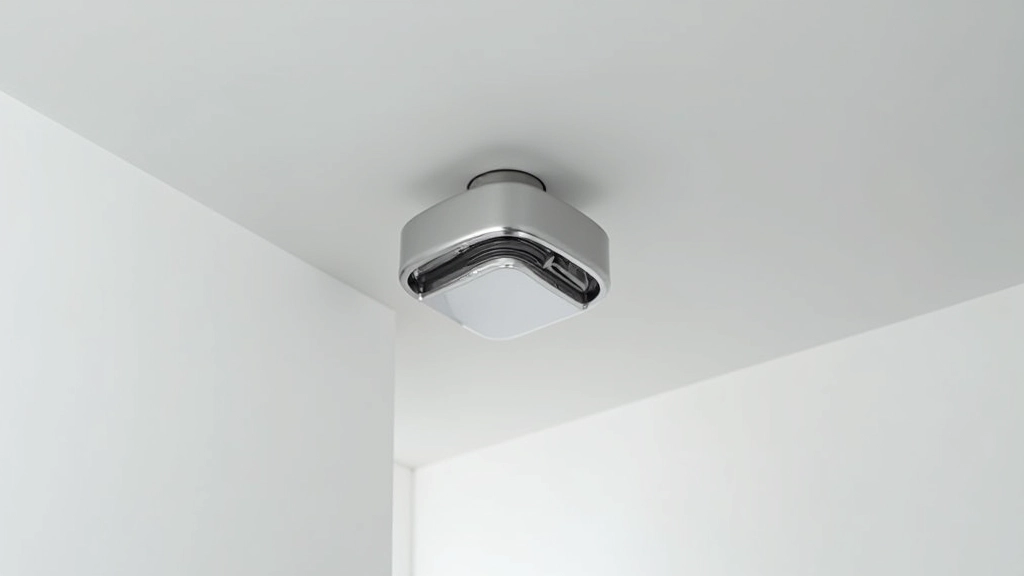
Ventilation & Moisture Control
Here's where most bathroom renovations either succeed or fail. Proper ventilation isn't optional in Ireland — it's essential. Damp bathrooms breed mold, damage walls, and make your whole home work harder to stay dry.
You'll want an extractor fan that's appropriately sized for your bathroom volume. For a standard bathroom, that's usually 60-100 cubic meters per hour. But don't just install a fan and hope it works — ducting matters enormously. A fan pushing moist air into your roof cavity instead of outside is almost useless.
Consider a humidity-sensor fan that automatically runs when moisture levels spike. These cost slightly more upfront but they're smarter about energy use. You're not running the fan 24/7 when it's unnecessary, yet you're getting consistent moisture control. Irish tradespeople increasingly recommend them because they actually work with how people use bathrooms — quick hot showers, steamy mornings, the lot.
Choosing Energy-Efficient Fixtures
Water heating accounts for about 25% of household energy use, and bathrooms are where a lot of that happens. Switching to efficient fixtures isn't about cold showers — it's about smart choices that maintain comfort while using less energy.
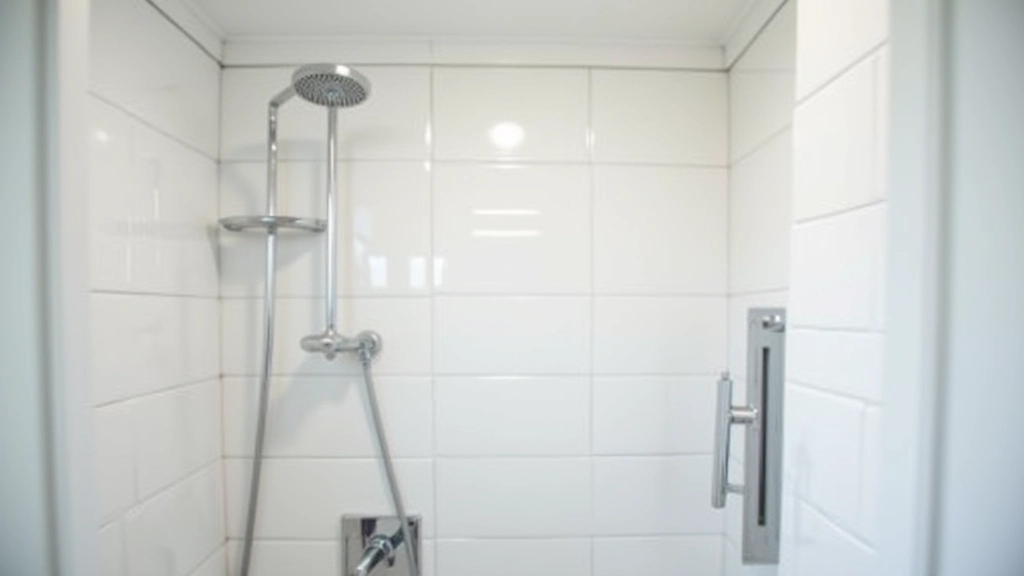
Look for thermostatic mixing valves on showers. They maintain consistent water temperature automatically, which prevents that annoying hunt for the "sweet spot" and stops people from running water while adjusting temperature. Modern ones have trim rings in various finishes that look contemporary too.
Water-saving showerheads have come a long way. They're not weak dribbles anymore — proper aerated heads still give you a satisfying shower while using maybe 7-8 liters per minute instead of 15. Low-flow taps for sinks work similarly. Over a year, these additions genuinely reduce your water heating energy.
Energy-Efficient Fixture Checklist
- Thermostatic shower valve with flow control
- Low-flow showerhead (max 8L/min)
- Aerator taps for washbasin and bidet
- Heated towel rail on timer or thermostat
- Insulated pipework in walls

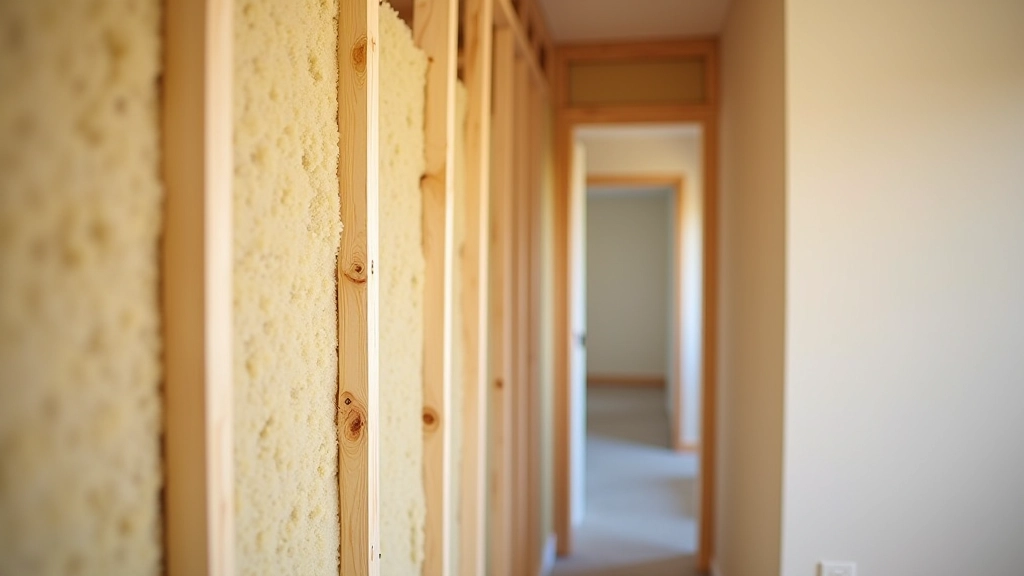
Insulation & Window Treatments
Bathrooms lose heat through external walls and windows quickly, especially when they're steamy and warm. If you're already opening walls for plumbing or ventilation work, it's the perfect time to improve insulation. Many people skip this because it's invisible once finished, but it genuinely impacts your BER rating.
Insulating walls isn't complicated. Mineral wool batts fit between timber studs and provide both thermal insulation and acoustic dampening — bonus for bathroom noise. It's inexpensive compared to the energy savings you'll get. The tradespeople doing your renovation can install it while they've got walls open anyway.
Windows are trickier. Irish bathrooms often have small windows for privacy, but they still leak heat. If you're replacing windows, look for double-glazing with low-emissivity coatings. Can't replace windows? Cellular blinds provide decent insulation without the cost, and they control humidity and light well.
Working with Local Tradespeople
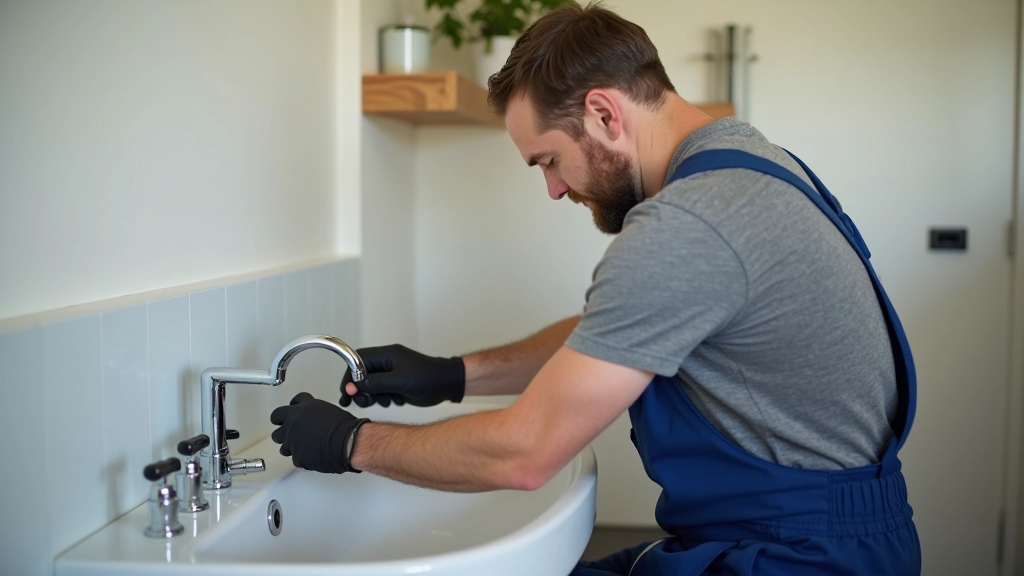
This is where planning meets reality. You'll need a plumber, electrician, possibly a carpenter, and definitely a tiler. Irish tradespeople are experienced with the specific challenges our climate and housing stock present — they know how to work with older pipes, understand moisture issues, and know local building regulations inside out.
Don't just grab whoever's cheapest. Talk to three different trades about your project. A good plumber will suggest routing pipes efficiently to reduce heat loss and water waste. A proper electrician will plan circuits thoughtfully, not just install outlets wherever. These conversations cost nothing and give you real insight into who understands the bigger picture.
When you're discussing BER improvements, make sure everyone's on the same page. Some trades might not automatically think about energy efficiency unless you ask. Tell them upfront that you want the most efficient approach to ventilation, water heating, and insulation. Good tradespeople will respect that and often have ideas you hadn't considered.
Pro Tip
Ask tradespeople about their experience with BER assessments. If they've worked on homes that improved their ratings, they'll have practical knowledge about what actually makes a difference versus what sounds good in theory.
Understanding Your BER Rating
BER stands for Building Energy Rating. It's basically your home's energy efficiency on a scale from A1 (most efficient) to G (least efficient). If you're selling, it's mandatory. If you're staying, it tells you where your home stands and what improvements actually work.
A bathroom renovation can shift your rating because assessors look at insulation levels, ventilation quality, water heating efficiency, and window performance. It's not just about putting in nice fixtures — the combination of improvements is what matters. You might improve ventilation (good for the rating), upgrade insulation (better), and install efficient water heating (another boost).
The real value? A home with a better BER rating is more comfortable to live in and cheaper to heat and cool. It's not abstract environmental goodness — it's lower bills and less drafts and better humidity control. That's worth planning for during renovation.
What Improves Your Rating
- Better insulation in walls
- Efficient ventilation
- Modern water heating
- Sealed air gaps
Practical Benefits
- Lower energy bills
- Better moisture control
- Warmer, more comfortable space
- Reduced mold and damp issues
Typical Renovation Timeline
A standard bathroom renovation usually takes 3-4 weeks from start to finish. Here's what to expect:
Planning & Ordering (1 week)
Finalize designs, order fixtures, arrange trade schedules. Lead times on certain items can be weeks, so order early.
Strip Out & Infrastructure (1 week)
Remove old fixtures, update pipes and wiring, install insulation, fix ventilation. This is dusty and disruptive — prepare accordingly.
Tiling & Finishing (1.5 weeks)
Tile walls and floors, install fixtures, paint, final details. Grouting needs time to cure, so don't rush this phase.
Testing & Snagging (Few days)
Verify plumbing, electrics, ventilation all work. Address any minor issues. Final clean and you're done.
Making Your Bathroom Work Harder
A well-planned bathroom renovation isn't just about pretty tiles and modern fixtures. It's about creating a space that works efficiently, handles Ireland's moisture challenges properly, and contributes meaningfully to your home's energy performance.
Start with a clear plan. Understand what needs fixing and what improvements genuinely matter for energy and comfort. Work with experienced local trades who get the climate and building regulations. Think about ventilation, insulation, and efficient fixtures not as nice-to-haves but as core parts of the project.
You'll end up with a bathroom that's lovely to use every day, works better for moisture control, heats water more efficiently, and genuinely improves your home's BER rating. That's a renovation that pays for itself in comfort and lower bills for years to come.
Information Disclaimer
This article provides general information about bathroom renovations and BER energy ratings for educational purposes. Building regulations, energy efficiency standards, and specific requirements vary by location and change over time. Always consult with qualified professionals — certified plumbers, electricians, and BER assessors — before starting any renovation project. Regulations around ventilation, insulation, and water heating systems are specific to Irish building codes and may differ from other regions. For accurate guidance on your specific situation, contact your local authority or a qualified surveyor.